Ilya Gaponov
Russian Federation • 1981

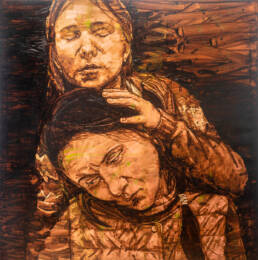
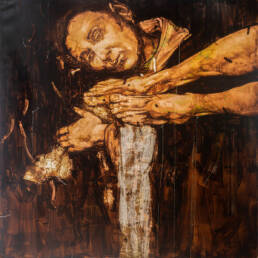
Ilya Gaponov, a visionary artist born in 1981 in the industrial mining town of Kemerovo, Novosibirsk region, has carved a unique path in the art world with his extraordinary paintings. His works, created with bitumen and Kuzbass varnish—both byproducts of coal mining—embody a monumental scale and intense attention to detail, reminiscent of historical revolution paintings, yet offer entirely contemporary content. Gaponov’s artistic journey combines unaffected observation with impeccable academic craftsmanship, resulting in deeply moving images of unparalleled sincerity. Working frequently in series and large narrative cycles, his paintings possess cinematic proportions, but it is their extreme pragmatism that transforms them into oddly distanced commentaries on spirituality and morality.
The Genesis of a Visionary Artist
At an early age, Ilya Gaponov found inspiration in the landscapes and raw beauty of Kuzbass, an area known for its coal mining industry. Born from this backdrop, Gaponov’s artworks pay homage to his roots while exploring the modern world’s complexities. His unique choice of materials, bitumen and Kuzbass varnish, not only connects him to the industrial heritage of his hometown but also serves as a striking artistic statement.
The Unconventional Medium
Bitumen and Kuzbass varnish are more than mere art supplies for Gaponov; they symbolize the duality of progress and environmental consequences. By utilizing byproducts of coal mining, the artist cleverly juxtaposes the allure of industrial advancement with the harsh realities of its aftermath. This thought-provoking approach imbues his paintings with a depth that goes beyond aesthetics.
Monumental Scale and Contemporary Content
Gaponov’s works stand tall, both literally and figuratively. The monumental scale of his paintings immediately commands attention, drawing viewers into a world of immersive experiences. Yet, it is the contemporary content depicted within these colossal works that truly captivates the audience.
Cinematic Narratives
Frequently working in series and narrative cycles, Gaponov crafts stories within his paintings. Like scenes from a movie, his artworks unfold before the viewers’ eyes, inviting them to become part of the narrative. Through his masterful storytelling, Gaponov delves into the essence of human experiences, emotions, and dilemmas.
A Journey Through Spirituality and Morality
Gaponov’s paintings often delve into profound themes of spirituality and morality. Despite their cinematic scale and contemporary context, they harbor an air of timelessness, inviting contemplation on the human condition. This juxtaposition of grandeur and introspection leaves viewers pondering their place in the world and the choices they make.
Academic Craftsmanship and Sincere Expression
Gaponov’s academic training, including graduating from the Ecole des Beaux Arts in Paris and the acclaimed Mukhina Academy in St. Petersburg, is evident in the precision and technique of his works. Yet, beneath the meticulously executed surfaces lies an authentic and heartfelt expression that touches the soul.
The Collaborative Years
Until 2010, Gaponov worked in partnership with Kirill Koteshov, a fellow artist from Kemerovo. Their collaboration brought forth a fusion of ideas and artistic approaches that further enriched Gaponov’s work and propelled him towards greater recognition.
A Global Artistic Presence
Gaponov’s artistic brilliance has not gone unnoticed on the international stage. His artworks have been exhibited worldwide, garnering critical acclaim and appreciation. Through his paintings, he connects diverse audiences, bridging cultures and fostering conversations about our shared human experience.
In Conclusion
Ilya Gaponov’s journey from the coal mining town of Kemerovo to the global art scene is a testament to the power of art to transcend boundaries. His monumental paintings, created with unconventional materials, serve as a mirror to contemporary society, urging us to reflect on our actions and values. With a profound eye for detail and a sincerity that tugs at the heartstrings, Gaponov continues to make an indelible mark in the art world. His paintings are not only a commentary on spirituality and morality but also a celebration of the human spirit.
To explore more of Ilya Gaponov’s breathtaking artworks, visit his ArtPil profile, read the Huffington Post article about his unique artistic tradition, and follow him on Instagram.
FAQ
Q: What is the inspiration behind Ilya Gaponov’s artworks?
A: Ilya Gaponov draws inspiration from the landscapes and raw beauty of Kuzbass, an industrial mining region where he was born. The area’s coal mining heritage and its environmental consequences serve as the foundation for his artistic expression.
Q: How does Ilya Gaponov’s choice of materials contribute to his artistry?
A: Ilya Gaponov’s choice of materials, including bitumen and Kuzbass varnish—both byproducts of coal mining—adds a profound layer of symbolism to his artworks. By using these unconventional materials, he addresses the contrast between progress and its impact on the environment.
Q: What distinguishes Ilya Gaponov’s paintings on spirituality and morality from traditional art?
A: Ilya Gaponov’s paintings stand out for their monumental scale and contemporary narratives, making them appear almost cinematic. Despite their grandeur, they offer sincere and thought-provoking commentaries on spirituality and morality, leaving viewers with profound reflections.
Q: Has Ilya Gaponov collaborated with other artists?
A: Yes, until 2010, Ilya Gaponov collaborated with Kirill Koteshov, another talented artist from Kemerovo. Their partnership resulted in a fusion of ideas and artistic approaches, enriching both artists’ bodies of work.
Q: Where can I see Ilya Gaponov’s art in person?
A: Ilya Gaponov’s artworks have been exhibited worldwide, gaining recognition and critical acclaim. To experience his breathtaking paintings firsthand, keep an eye out for his exhibitions and gallery shows across different regions.

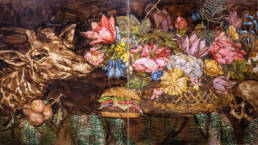
Artworks
Browse through Ilya Gaponov’s artworks on display and available for purchase at Can Boni.

Eternal Life | Ilya Gaponov
€19,360
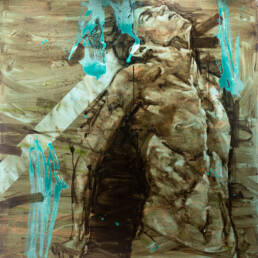
Humility | Ilya Gaponov
€12,100
Late Lunch I | Ilya Gaponov
€12,100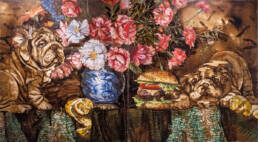
Late Lunch II | Ilya Gaponov
€12,100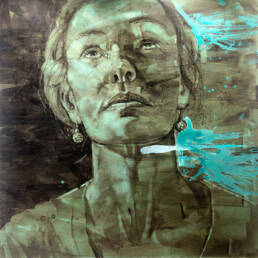
Maria | Ilya Gaponov
€12,100