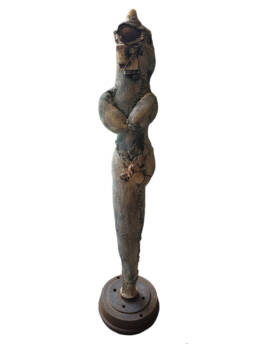
Miguel Amate
Spain • 1944
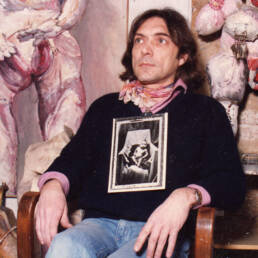
Miguel Amate, an enigmatic artist of Catalan-Mallorcan origin, emerged as a force in the art world with his unconventional and daring approach to expression. He journeyed through the landscapes of Paris, Mallorca, and beyond, leaving a trail of profound and unusual artistic creations in his wake. Amate’s evolution as an artist, rooted in classical training and admiration for the Spanish masters, culminated in the birth of the captivating and liberating movement known as Brutal Art.
Early Influences and Artistic Journey
From a young age, Miguel Amate found solace in the arid landscapes of his hometown, which served as his favorite inspiration for artistic creations. His religious school education laid the foundation for his artistic journey, and at the tender age of seven, he began to paint the stark beauty of the surroundings that enveloped him.
Under the tutelage of Don Vicente Ros and Alonso Luzzy, Amate’s artistic skills blossomed. Classical painting became his stronghold, and his admiration for the great Spanish masters, including Velázquez, Goya, and El Greco, shaped his artistic sensibilities. However, it was his parallel exploration of diverse materials such as wood, ropes, fabrics, and oxidized metals that set him apart from conventional artists. These found objects from the scorched lands he wandered were given new life, integrated into artistic ensembles with a fresh purpose.
Embracing Nomadism and the Birth of Brutal Art
In the 1960s, Miguel Amate embarked on a transformative journey across Europe. In Sweden, he channeled his artistic prowess into monumental wrought iron sculptures for the Stockholm Cultural Center. In Germany and London, he delved into drawings and paintings that exhibited a compelling psychedelic tendency, capturing the spirit of the time.
Eventually, in 1969, Amate found his sanctuary in the vibrant city of Paris, where he founded a family and established his workshop-gallery-home. It was in the quiet confines of the basement that he gave birth to his most daring and experimental works, creating paintings, reliefs, and dolls-sculptures with a touch of grotesque and sexual undertones. This underground space evolved into the world’s first Brutal Art museum, drawing an enthusiastic audience who embraced the unusual and thought-provoking essence of his creations.
Rediscovering Human Reality
Miguel Amate’s shift towards Brutal Art marked a turning point in his artistic journey. The term “tremendous” and “brutal,” used by his teachers to describe his earlier works, took on new meaning as his art delved deeper into the human psyche and human reality. It was through this artistic metamorphosis that Amate discovered an unconventional and profound side of humanity, which he fearlessly portrayed in his art.
His nomadic spirit drove him to immerse himself in the Parisian macadam, seeking to be closer to human reality. This wanderlust allowed him to uncover hidden truths and portray them through his art with raw intensity. This nomadic existence also took him to Mallorca, where he spent seasons, reconnecting with his roots and infusing his art with the essence of his homeland.
A Creative Push for Le Marais
The workshop-gallery-home of Miguel Amate became a focal point of creative energy in the heart of Paris. The birth of Brutal Art in this unassuming swamp-ghetto breathed new life into the neighborhood of Le Marais, transforming it into a thriving hub of artistic expression and innovation. The unconventional beauty of Brutal Art left an indelible mark on the artistic landscape of the city.
Today, as we delve into the legacy of Miguel Amate, we witness the profound impact of his journey as a Catalan-Mallorcan nomad through the realms of art. His amalgamation of classical training, unconventional materials, and fearless exploration of human reality birthed a movement that continues to inspire and captivate. Rediscovering Brutal Art in Paris through the lens of Miguel Amate grants us a glimpse into the transformative power of art and its ability to challenge the norm and embrace the extraordinary.
“Art is not a mirror held up to reality but a hammer with which to shape it.” – Miguel Amate
For more insights into the world of Brutal Art, you can explore Art Brutal on Instagram. To discover more about Miguel Amate’s contemporary artworks, visit Artsper – Miguel Amate. Additionally, you can explore the Fabuloserie Museum, where Miguel Amate’s artistic ensembles find a fitting home, celebrating the unconventional and the profound.
In conclusion, Miguel Amate’s journey as a nomadic artist opened a gateway to a form of art that defies conventions and celebrates the raw essence of human reality. Through Brutal Art, he not only left an indelible mark on the Parisian art scene but also ignited a dynamic-creative push that resonates to this day, making Le Marais a thriving hub of artistic expression. His legacy continues to inspire artists and art enthusiasts alike, encouraging them to embrace the unusual and liberate their creativity.
FAQ
1. Who is Miguel Amate?
Miguel Amate is an artist of Catalan-Mallorcan origin known for his unconventional approach to art and his significant contributions to the Brutal Art movement. He gained recognition for his profound and unusual artistic creations that challenge norms and delve into the depths of human reality.
2. What is Brutal Art?
Brutal Art is an artistic movement that emerged through the works of Miguel Amate in the 1970s. It is characterized by its raw and unconventional expression, often exploring grotesque and sexual themes. Miguel Amate’s fusion of classical training and the use of diverse materials gave birth to this captivating and liberating art form.
3. Where did Miguel Amate find inspiration for his art?
Miguel Amate found inspiration for his art in the arid landscapes of his hometown and the scorched lands he wandered during his nomadic journeys. These surroundings served as the canvas for his early paintings and provided him with diverse materials for his unique artistic ensembles.
4. How did Miguel Amate’s nomadic lifestyle influence his art?
Miguel Amate’s nomadic lifestyle allowed him to immerse himself in the Parisian macadam and be closer to human reality. His travels through Europe exposed him to various artistic influences, and his artistic metamorphosis during this period led to the birth of Brutal Art, an art form that challenges conventions and liberates creativity.
5. Where can I view Miguel Amate’s artworks?
You can explore Miguel Amate’s contemporary artworks on Artsper. Additionally, the Fabuloserie Museum houses some of his artistic ensembles, celebrating the unconventional and profound aspects of his art.

Artworks
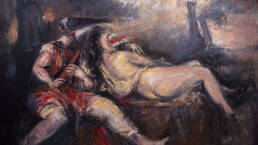
Browse through Miguel Amate’s artworks on display and available for purchase at Can Boni.
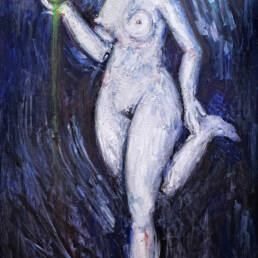
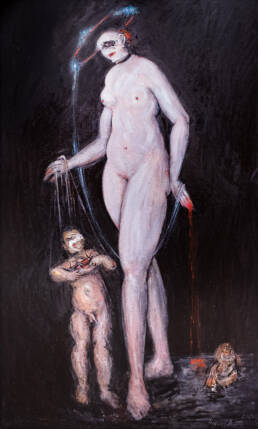
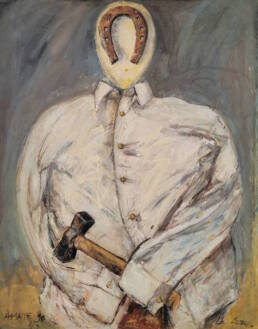
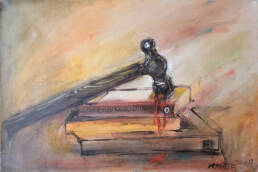
Amerika | Miguel Amate
€3,000
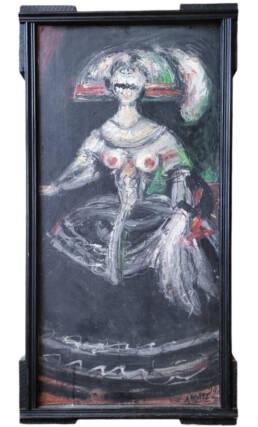

Big Foot | Miguel Amate
€8,700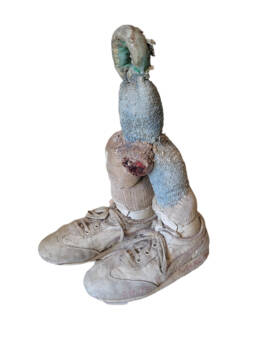
The Hole | Miguel Amate
€8,000